
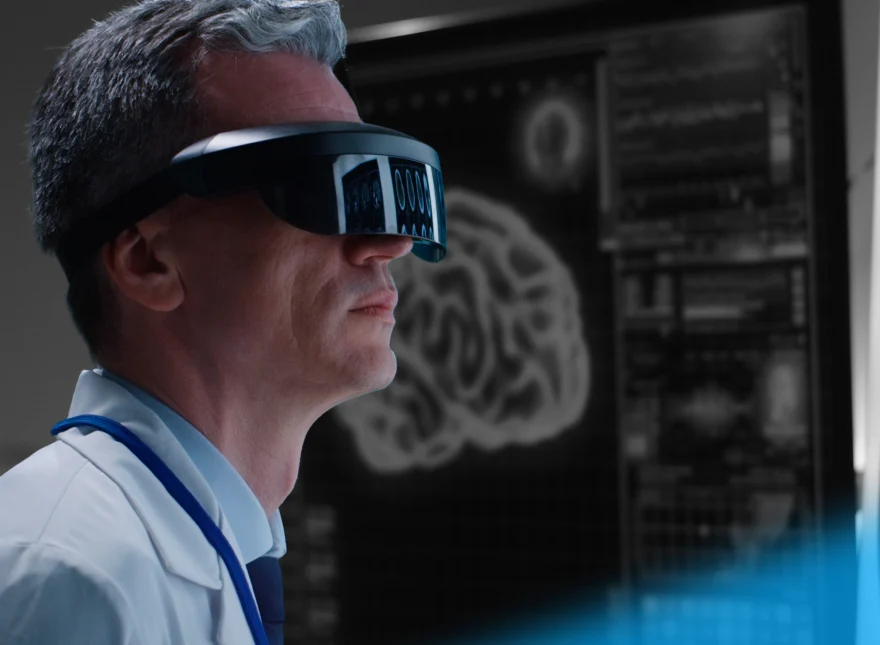
For many people, Augmented Reality (AR) and Virtual Reality (VR) are still closely associated with gaming. While games played a major role in introducing these technologies to the world, their impact today goes far beyond entertainment. Across industries, AR and VR are changing how businesses operate, how people learn, how products are sold, and how experiences are delivered.
As these technologies become more accessible and practical, they are reshaping real-world applications in ways that are measurable, scalable, and valuable.
Understanding AR and VR in Simple Terms
Augmented Reality enhances the real world by adding digital elements on top of it. Using a smartphone, tablet, or headset, users can see digital visuals, information, or animations layered onto their physical environment. Virtual Reality, on the other hand, creates a completely immersive digital space where users can explore and interact as if they are physically present inside it.
While gaming uses both technologies for immersive play, industries now use AR and VR to solve real problems, improve communication, and create deeper engagement.
How AR and VR Are Transforming Education and Training
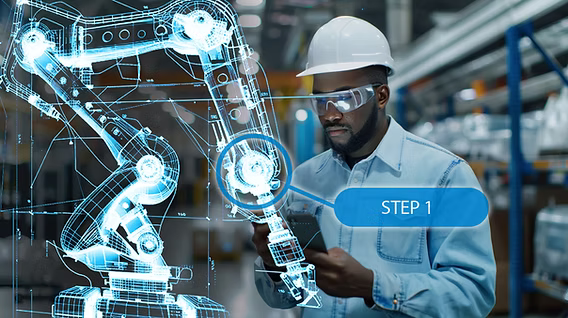
One of the most powerful applications of AR and VR is in education and professional training. Instead of relying only on textbooks or presentations, learners can experience concepts in a visual and interactive way. Medical students can practice procedures in a virtual environment, engineers can explore complex machinery in 3D, and employees can train for real-world scenarios without risk.
These immersive experiences improve understanding, retention, and confidence. By learning through experience rather than memorisation, users gain practical knowledge that translates directly into real-world performance.
AR and VR in Real Estate and Architecture
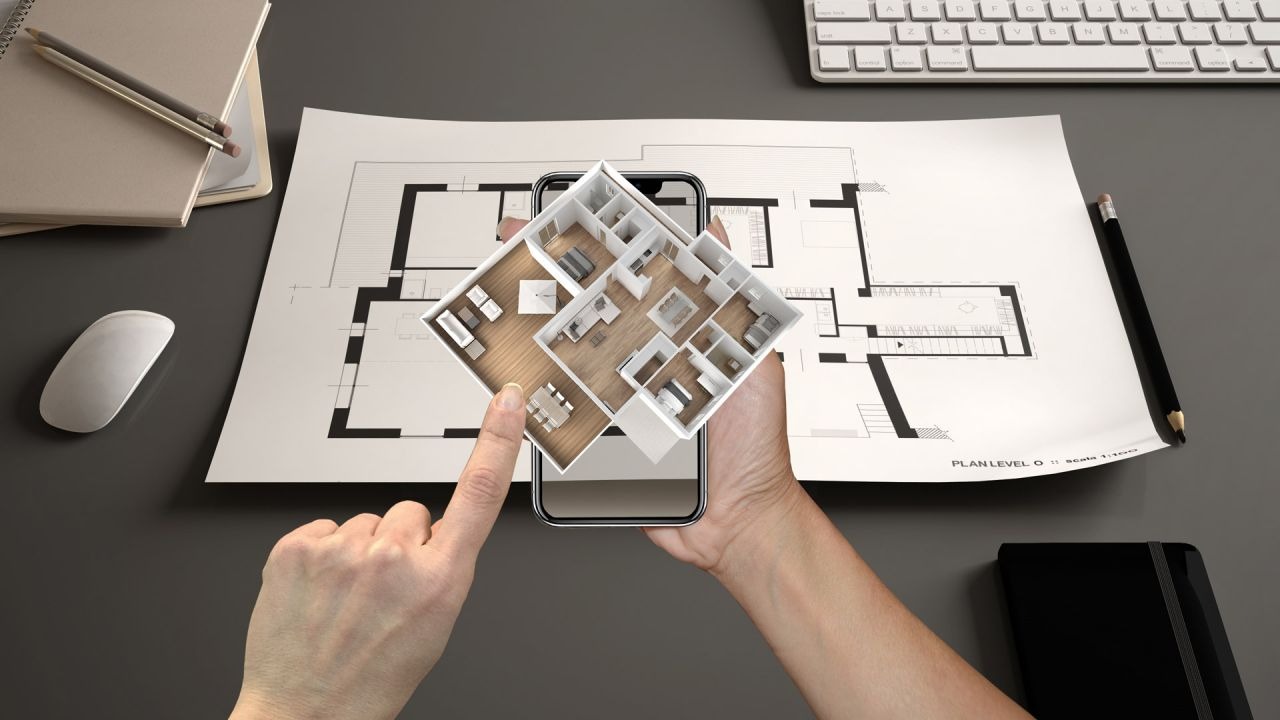
Real estate and architecture have been quick to adopt AR and VR to showcase spaces more effectively. Virtual walkthroughs allow buyers to explore properties remotely, even before construction is complete. This helps them understand layouts, scale, and design without relying on imagination alone.
Architects and designers use VR to present concepts clearly, gather feedback early, and reduce costly revisions. AR adds another layer by allowing designs to be visualised directly within real environments, helping clients see how a space will actually look once built.
Revolutionising Retail and E-Commerce Experiences
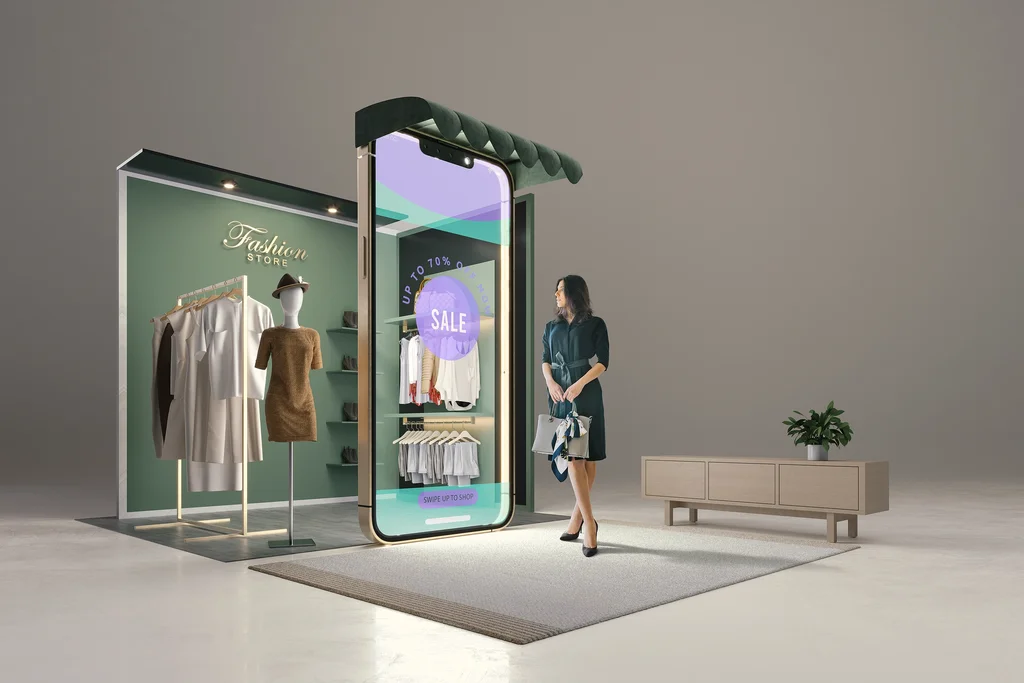
In retail, AR and VR are closing the gap between online and in-store shopping. Customers can visualise products in their own space, try items virtually, or explore collections in immersive digital showrooms. This reduces uncertainty and increases confidence before making a purchase.
For brands, these technologies help reduce returns, improve customer satisfaction, and create more memorable shopping experiences. Instead of scrolling through static images, customers actively interact with products, making the buying process more engaging and informed.
Enhancing Healthcare and Wellness
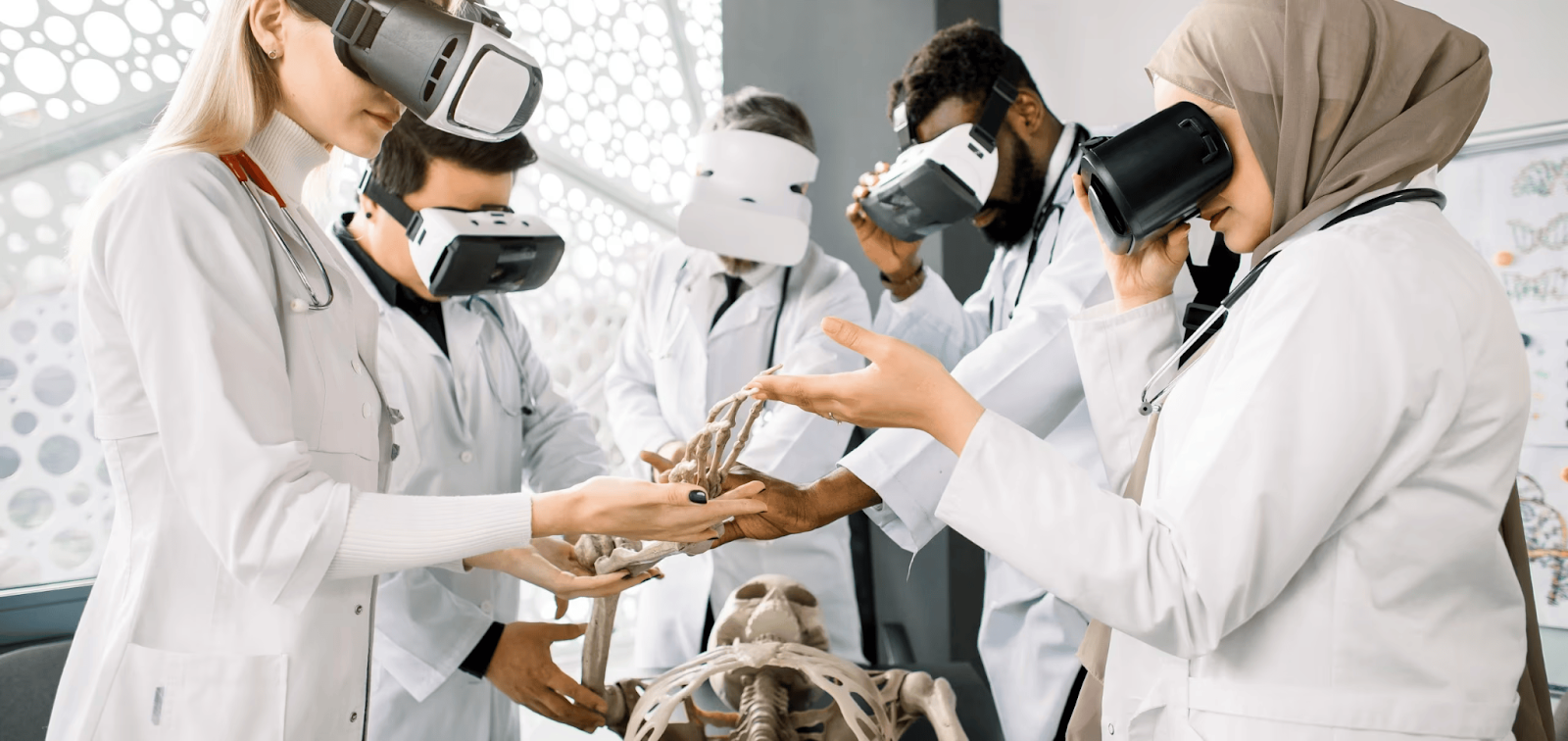
Healthcare is another area where AR and VR are making a meaningful impact. Surgeons use VR for practice and planning, while AR assists during procedures by overlaying critical information in real time. Patients benefit too, as VR is used for therapy, rehabilitation, pain management, and mental health treatments.
These technologies allow healthcare professionals to deliver safer, more precise care while improving patient understanding and comfort. The result is better outcomes and more human-centred medical experiences.
Improving Marketing and Brand Engagement
Marketing has shifted from passive advertising to interactive storytelling, and AR and VR play a key role in this transformation. Brands use AR to bring packaging, print ads, and physical spaces to life, allowing customers to interact with products and stories instantly. VR is used for immersive brand experiences, virtual events, and experiential campaigns that leave lasting impressions.
These experiences capture attention more effectively than traditional ads and help build stronger emotional connections with audiences. Because interactions can be measured, brands also gain valuable insights into customer behaviour and engagement.
Supporting Manufacturing and Industrial Operations
In manufacturing and industrial settings, AR and VR improve efficiency, safety, and accuracy. Workers use AR for guided instructions, maintenance support, and real-time data visualisation. VR helps simulate workflows, test processes, and train teams in controlled environments.
By reducing errors and downtime, these technologies help businesses operate more smoothly while improving workforce skills and confidence.
Why AR and VR Adoption Is Growing Across Industries
The shift beyond gaming is driven by accessibility and practicality. Smartphones support AR experiences without requiring special hardware, while VR headsets are becoming more affordable and easier to use. Businesses now see clear returns on investment through improved communication, faster decision-making, and stronger engagement.
More importantly, AR and VR address a fundamental need: helping people understand complex ideas through experience rather than explanation. This makes them valuable tools in nearly every industry.
The Future of AR and VR Beyond Entertainment
As technology continues to evolve, AR and VR will become even more integrated into daily life. From virtual collaboration spaces to interactive customer support and immersive learning environments, these tools will shape how people work, learn, and connect.
The future of AR and VR is not about replacing reality, but enhancing it. Businesses that adopt these technologies early are better positioned to innovate, communicate clearly, and stay competitive in an experience-driven world.
Final Thoughts
AR and VR are no longer limited to gaming or novelty-driven experiences. They have evolved into practical technologies that solve real-world challenges across industries such as education, healthcare, real estate, retail, marketing, and manufacturing. By turning information into immersive experiences, these technologies help people understand ideas better, engage more deeply, and make decisions with greater confidence.
As businesses continue to move toward experience-led engagement, AR and VR are becoming essential tools rather than optional innovations. Companies that adopt these technologies early are better equipped to communicate complex ideas clearly, improve customer experiences, and stay competitive in a rapidly evolving digital landscape.
At MagicalXR, the focus is on applying AR and VR in ways that create real business value. By designing immersive experiences tailored to specific goals and audiences, MagicalXR helps brands and enterprises move beyond experimentation and use these technologies to inform, engage, and inspire. As expectations continue to rise, solutions built by MagicalXR make it easier for businesses to stay relevant and impactful in a world that increasingly values interactive and meaningful experiences.