
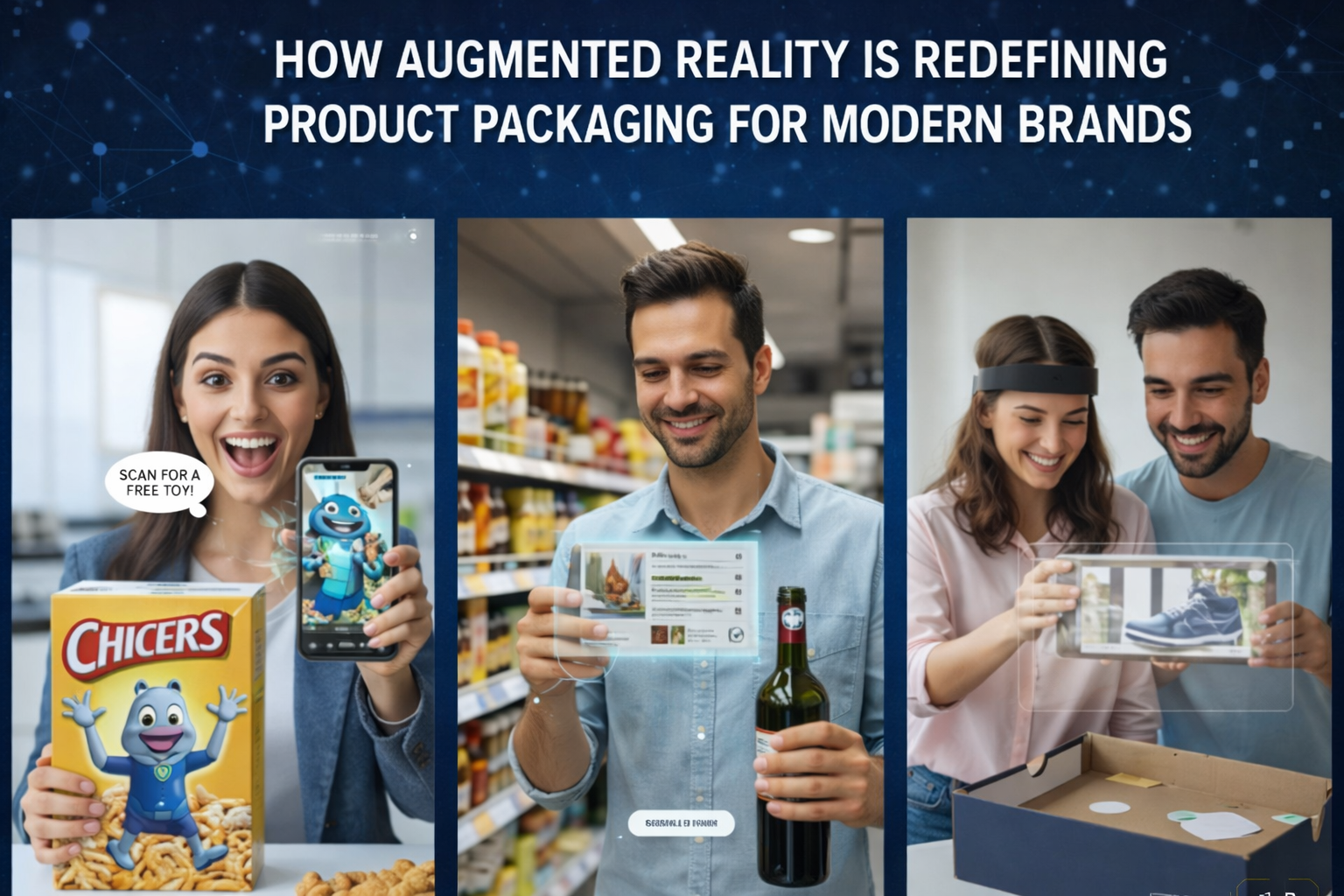
Product packaging has evolved far beyond its traditional role of protection and branding. Today, packaging is often the first and most influential touchpoint between a brand and a customer. In an increasingly competitive market, brands are under pressure to make that first interaction more engaging, informative, and memorable. Augmented Reality is emerging as a powerful tool that is transforming product packaging into an interactive brand experience.
As consumer expectations grow, static packaging is no longer enough. Shoppers want more than a logo and a list of features. They want clarity, transparency, and confidence before making a purchase decision. AR-enabled packaging answers this demand by extending physical packaging into the digital world.
Why Traditional Product Packaging Struggles to Engage
Most packaging relies on limited surface space to communicate everything from ingredients and instructions to brand messaging and legal information. Once printed, that content is fixed. It cannot adapt, evolve, or respond to changing customer needs. As a result, engagement is often brief, and important information may be overlooked or misunderstood.
At the same time, modern consumers are used to interactive digital content. They want to see how a product works, how it fits into their lives, and what makes it different from alternatives. Static text and images struggle to deliver this depth of understanding, especially in fast-paced retail environments. This gap between customer expectations and traditional packaging is exactly where Augmented Reality makes a difference.
What Is Augmented Reality in Product Packaging?
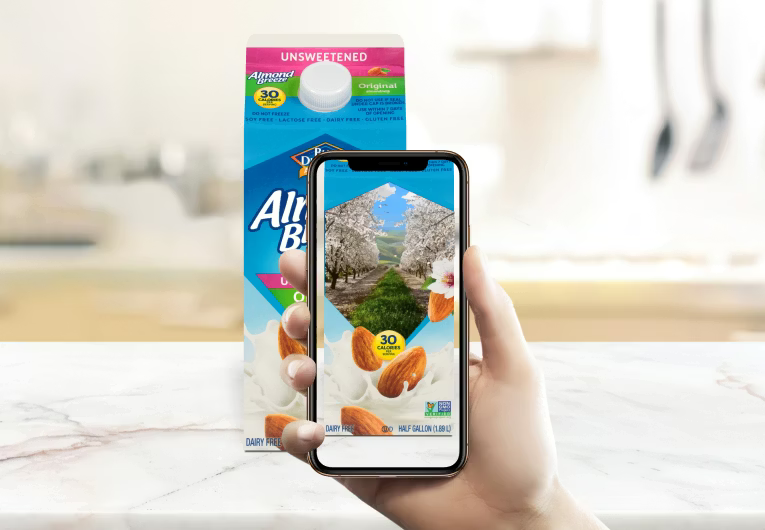
Augmented Reality in packaging allows brands to overlay digital content onto physical products. By scanning a QR code or image on the packaging with a smartphone, customers can instantly unlock interactive content on their screen. This could include product demonstrations, step-by-step usage guidance, ingredient explanations, brand stories, or even immersive 3D visuals.
With Web-based AR, the experience becomes even more seamless. There is no need to download an app. The content opens directly in the mobile browser, making it fast, accessible, and friction-free. This simplicity is key to driving higher engagement, especially for everyday consumer products.
How AR Solves Real Packaging Challenges
One of the biggest limitations of physical packaging is space. AR removes this constraint entirely. Brands can keep packaging clean and visually appealing while offering in-depth information digitally. Customers can explore as much or as little detail as they want, at their own pace, without overwhelming the design.
AR also introduces flexibility that traditional packaging cannot offer. While printed packaging remains the same, the digital content connected to it can be updated at any time. Brands can introduce festive campaigns, limited-time offers, new messaging, or product updates even after the product is already on shelves. This makes packaging a dynamic marketing channel rather than a fixed one.
Most importantly, AR significantly increases customer engagement. Instead of a quick glance, customers are encouraged to interact, explore, and spend more time with the product. This deeper interaction leads to stronger brand recall and builds trust by helping customers better understand what they are buying.
How Brands Are Using AR in Product Packaging Today
Across industries, AR-enabled packaging is being used to create richer customer experiences. FMCG and consumer brands use AR to showcase product benefits, explain ingredients, and run promotional or seasonal campaigns directly from the package. Retail products use AR to provide tutorials, styling ideas, or visual comparisons that help customers make informed choices.
In pharma and wellness, AR helps deliver clear and compliant educational content, guiding users on proper usage while avoiding technical complexity. Marketing teams use AR packaging for gamified campaigns, product launches, and interactive activations that encourage repeat engagement and sharing.
Why Web-Based AR Is Ideal for Packaging
Web-based AR works particularly well for product packaging because it removes barriers to entry. Customers do not need to install an app or commit to long-term usage. A simple scan is enough to access the experience, which leads to higher participation and better engagement rates.
For brands, Web AR offers faster deployment, easier updates, and better cost efficiency. Campaigns can be measured and optimised using real interaction data, providing insights into how customers engage with the packaging in real-world settings. This makes AR packaging not only engaging, but also measurable and performance-driven.
The Business Impact of AR-Enabled Packaging
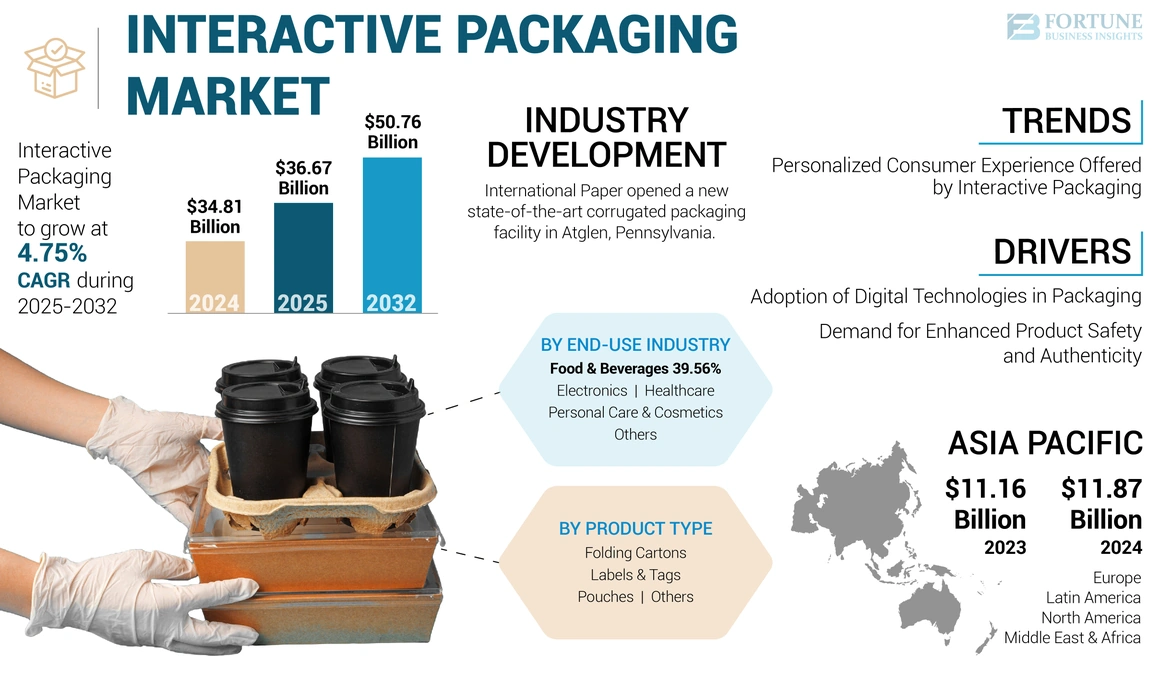
AR transforms packaging into an active communication channel. Customers spend more time interacting with products, which improves understanding and confidence. Interactive experiences are easier to remember, leading to stronger brand recall. Brands also save costs by reducing the need for frequent reprints, as digital content can be updated independently.
Perhaps most importantly, AR provides valuable insights. Brands can track scans, engagement time, and interaction behaviour, allowing them to refine messaging and improve future campaigns. This level of visibility was never possible with traditional packaging alone.
AR Packaging as a Long-Term Brand Strategy
Augmented Reality is not just a short-term marketing tactic. It turns product packaging into a living, evolving platform that can educate customers, support product usage, and strengthen brand loyalty throughout the product lifecycle. As consumer expectations continue to rise, AR-enabled packaging offers a future-ready way to stay relevant and connected.
How MagicalXR Brings AR to Product Packaging
MagicalXR creates custom AR solutions for product packaging that are built around real business objectives. Every experience is designed specifically for the brand, product, and audience, ensuring relevance and impact. With a strong focus on Web-based AR, dynamic QR-powered interactions, and measurable performance, MagicalXR helps brands turn packaging into a meaningful engagement tool.
Closing Thoughts
Static packaging is no longer enough in a digital-first world. Augmented Reality offers brands the opportunity to inform, engage, and connect with customers in ways that traditional packaging never could. By combining physical products with interactive digital experiences, packaging becomes more than just a container it becomes a conversation.
If you’re looking to transform your product packaging into an engaging, future-ready brand experience, Augmented Reality is the way forward. MagicalXR can help you make that transformation impactful, scalable, and results-driven.