
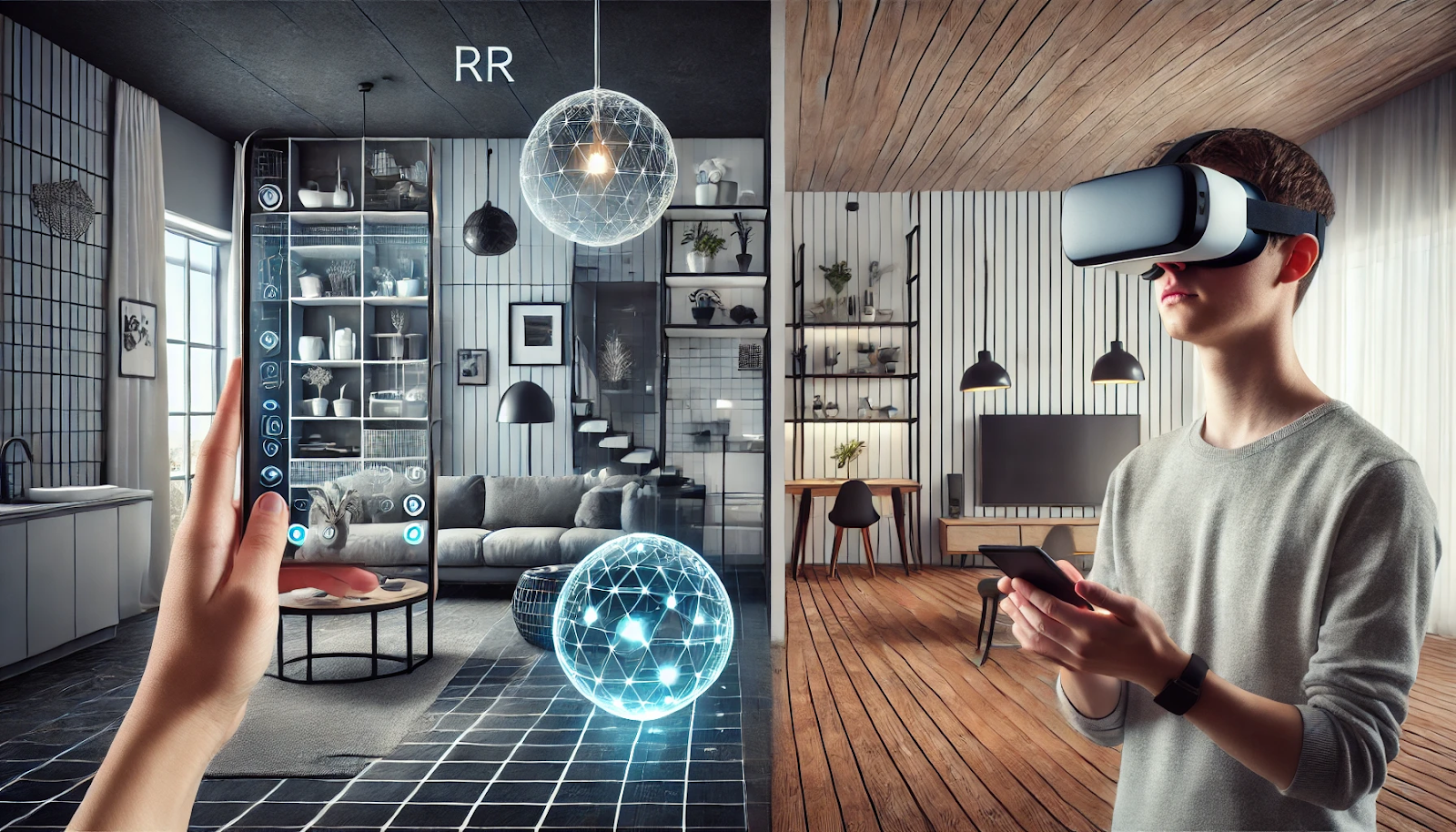
Customer decision-making has become more complex than ever. Whether someone is buying a home, choosing a hotel, investing in a commercial space, or selecting a high-value service, people want clarity before they commit. A decision that involves money, time, or long-term impact naturally comes with hesitation.
In most industries, businesses rely on brochures, photos, videos, or presentations to explain what they offer. While these tools are useful, they still leave room for doubt. Customers often struggle to visualise the complete experience. They may wonder what a space will really feel like, whether it matches expectations, or if they are making the right choice.
This is exactly where Virtual Reality is transforming the way customers make decisions.
Virtual Reality, or VR, allows people to experience an environment digitally as if they are physically present inside it. Instead of imagining how something might look, customers can explore it in an immersive and realistic way. This shift from viewing to experiencing creates stronger understanding, builds confidence, and supports faster decision-making.
Why Virtual Reality Matters in Business Today
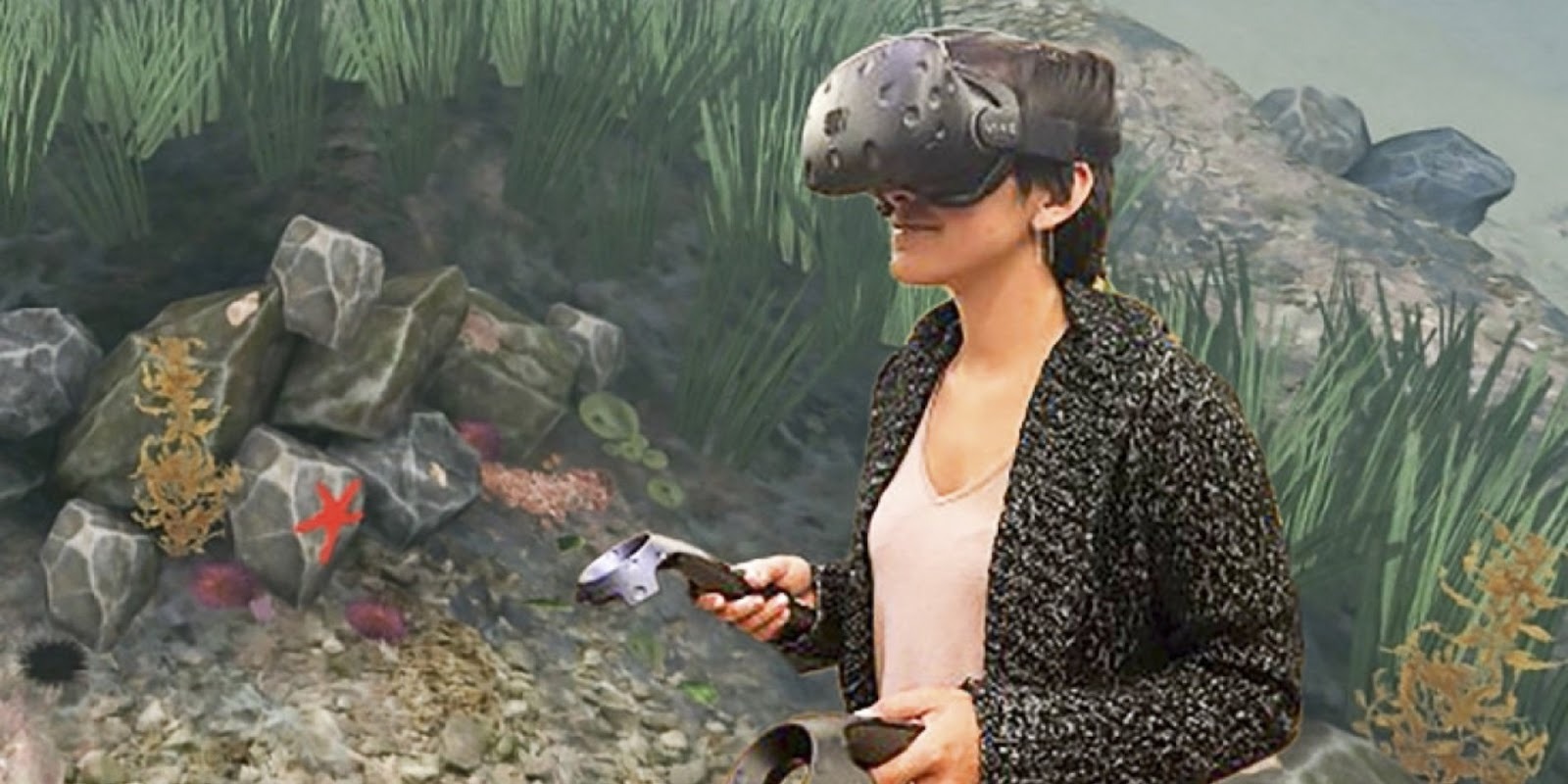
Virtual Reality is no longer limited to gaming or entertainment. Today, businesses across industries are using VR to create immersive walkthroughs, visualise projects, and improve customer engagement. From real estate and architecture to hospitality and retail, VR is becoming a powerful decision-support tool.
The reason is simple: customers make better decisions when they feel certain. And VR provides that certainty in ways traditional marketing tools cannot.
When customers are able to explore a space virtually, they gain a clearer understanding of the layout, scale, design, and experience. This reduces confusion and helps them evaluate options more confidently.
How VR Helps Customers Decide Faster and Better
One of the biggest challenges customers face is uncertainty. Even with multiple images or videos, it can still be difficult to understand what the final outcome will look like in real life. This is especially true in industries where customers are buying something that is not immediately available, such as a property under construction or a premium experience they have not visited yet.
Virtual Reality reduces this uncertainty by offering an immersive preview. Customers no longer have to guess. They can walk through the space, observe details, and feel more connected to what they are considering.
VR also reduces the number of repeated questions and follow-ups that often slow down the sales process. Customers usually ask things like, “Is the space too small?” or “Will the interior feel premium?” or “What will it look like once completed?” A VR experience answers many of these questions instantly, making the decision process smoother.
Another important factor is emotional connection. People do not make decisions purely based on logic. They choose based on trust, comfort, and how something makes them feel. Virtual Reality helps create that emotional engagement. Walking through a future home, experiencing a resort room, or exploring a commercial space virtually builds excitement and reassurance.
This emotional clarity plays a major role in speeding up decisions.
VR and the Rise of Remote Buyers
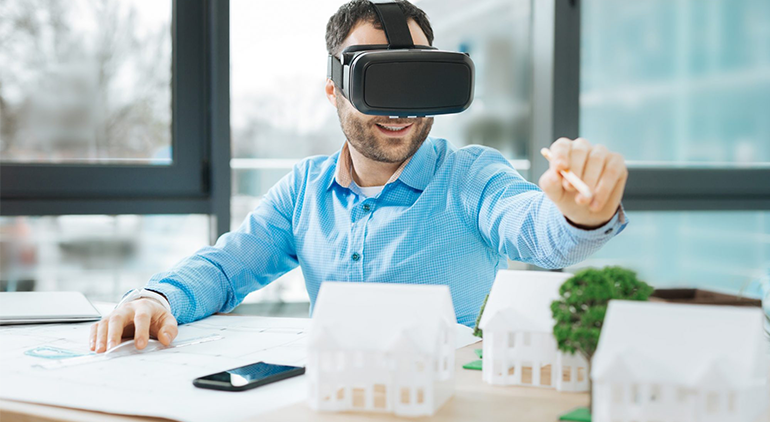
In today’s global market, many customers make decisions remotely. Buyers may be in another city or another country. Site visits are not always possible, and relying only on static visuals can lead to hesitation.
Virtual Reality allows remote buyers to explore spaces without travelling, making it easier for businesses to engage international clients and convert leads faster. This has become especially valuable in real estate, hospitality, architecture, and commercial leasing.
Industries Where VR Improves Customer Confidence
Virtual Reality is proving highly effective in sectors where customers need clarity before commitment. Real estate developers use VR walkthroughs to help buyers experience properties before completion. Architects use it to present designs more realistically. Hospitality brands use VR to help customers preview rooms and environments. Even retail and enterprise businesses are adopting immersive experiences to improve customer understanding.
Any industry that depends on customer trust can benefit from VR-driven decision support.
Final Thoughts
Virtual Reality is no longer just an emerging technology. It has become a practical business tool that helps customers make stronger, faster, and more confident decisions. By reducing uncertainty, creating immersive clarity, and building emotional connection, VR improves how customers evaluate choices and commit with trust.
As immersive experiences become the future of customer engagement, brands need solutions that are not only visually impressive but also meaningful and business-driven. MagicalXR helps businesses build custom VR walkthroughs and immersive environments designed to support real customer decisions and deliver impactful experiences across industries.