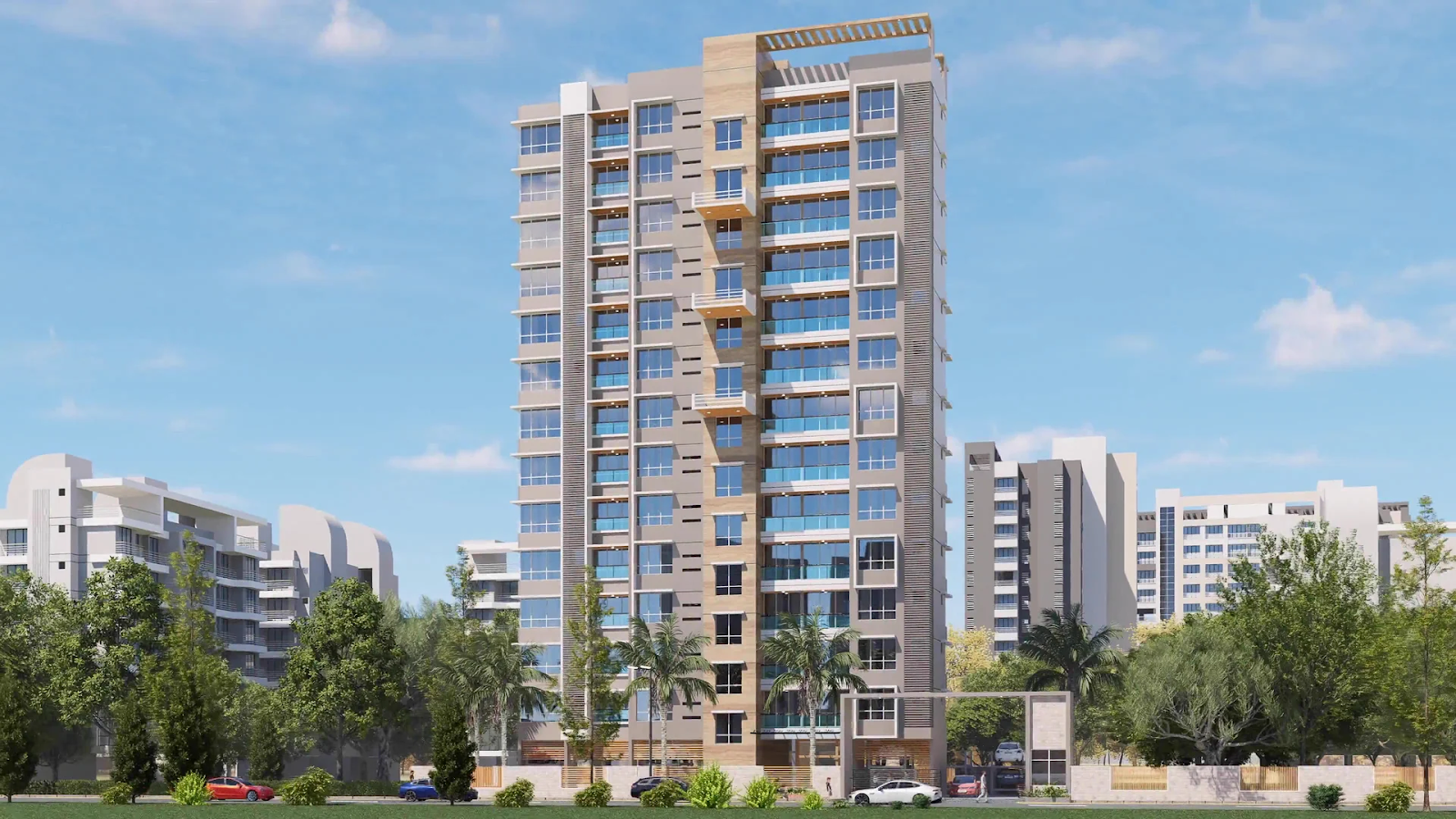
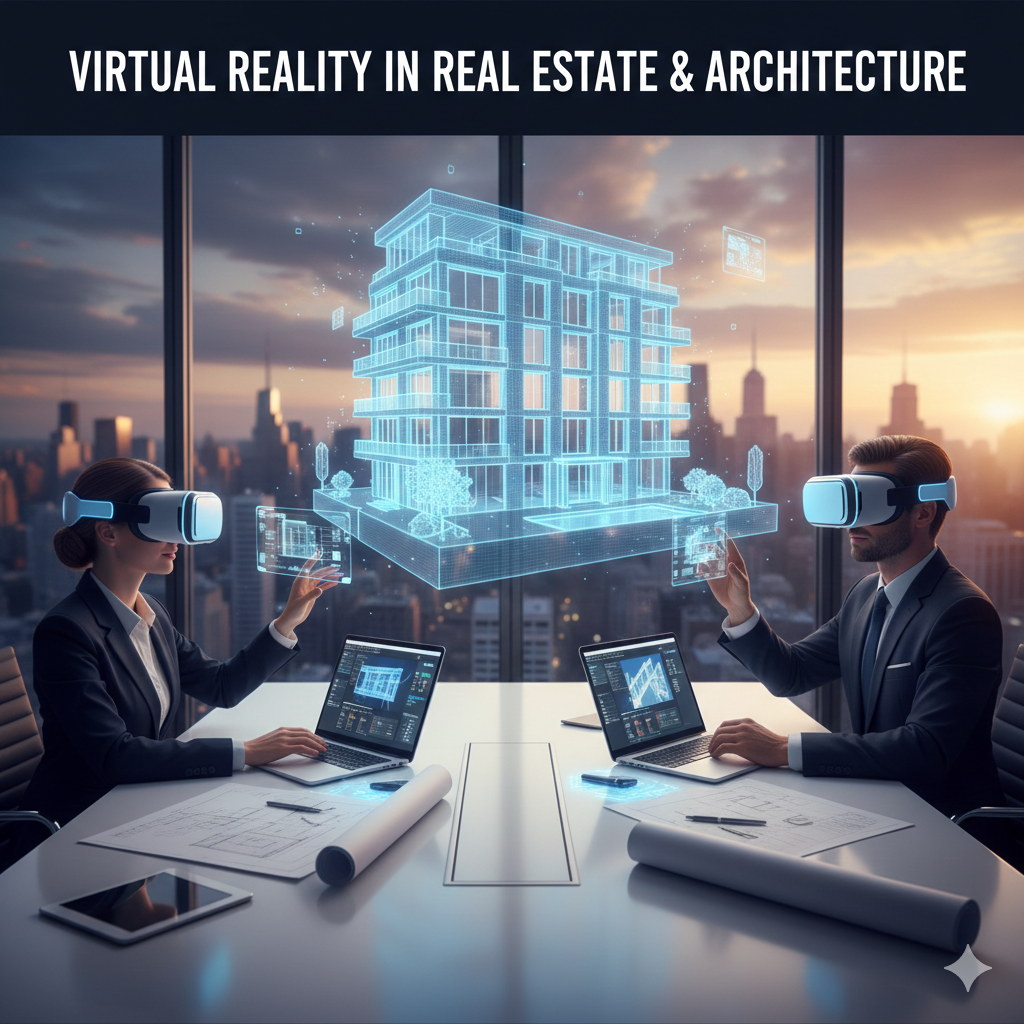
In real estate and architecture, decisions have always depended on imagination. Buyers are expected to look at floor plans and renders and picture how a space will feel once it is built. Clients approve projects based on drawings, while architects try to communicate design intent through static visuals.
But imagination has limits. Misunderstandings are common, and they often lead to delays, redesigns, or hesitation in the buying and approval process.
This is where Virtual Reality (VR) is creating a major shift. By allowing people to experience spaces before they physically exist, VR is transforming how properties are marketed, how designs are presented, and how decisions are made.
What Virtual Reality Means for Real Estate and Architecture
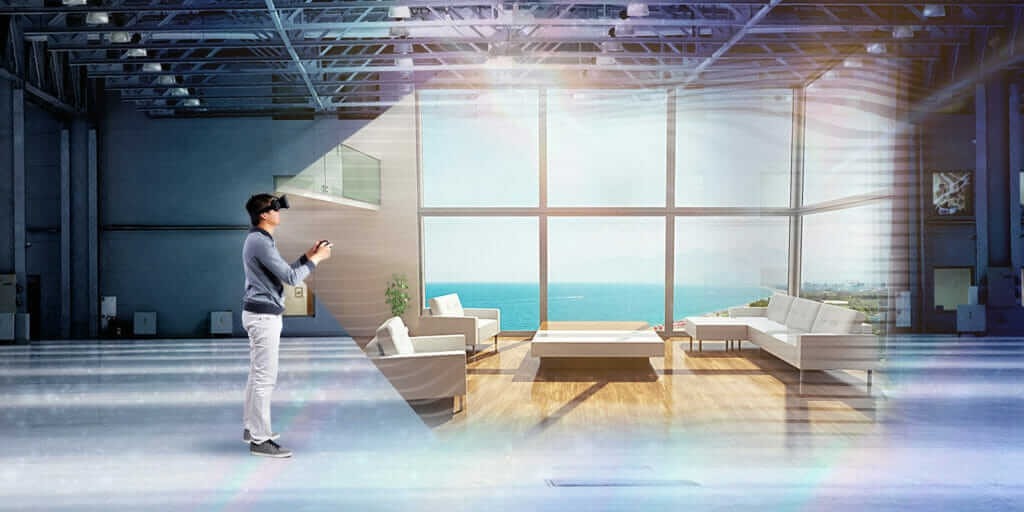
Virtual Reality creates an immersive three-dimensional environment that users can explore as though they are actually present inside it. In the context of real estate and architecture, VR allows buyers, clients, and stakeholders to walk through a property or a design long before construction is complete.
Instead of imagining what a space might look like, people can experience it. This makes planning more accurate, communication more effective, and decision-making far more confident.
Why VR Matters in Real Estate
Real estate decisions are often high-value and emotional. Buyers want clarity before committing, but photos and brochures can only go so far. VR helps bridge that gap by offering a realistic walkthrough experience.
When buyers can explore a property virtually, they understand the layout, proportions, and flow much more clearly. This creates trust and reduces uncertainty during the buying process. With fewer unanswered questions, buyers are often able to make decisions faster, which helps shorten sales cycles.
VR is also especially valuable for remote and international buyers. Many NRIs and global investors cannot visit properties easily, but VR allows them to explore spaces in detail from anywhere. This expands reach beyond local markets and makes the buying experience more accessible.
Another major advantage is that developers can showcase projects even before construction is complete. Virtual walkthroughs make it possible to generate interest and secure early bookings at the planning stage, giving real estate businesses a stronger edge.
How VR Supports Architecture and Design
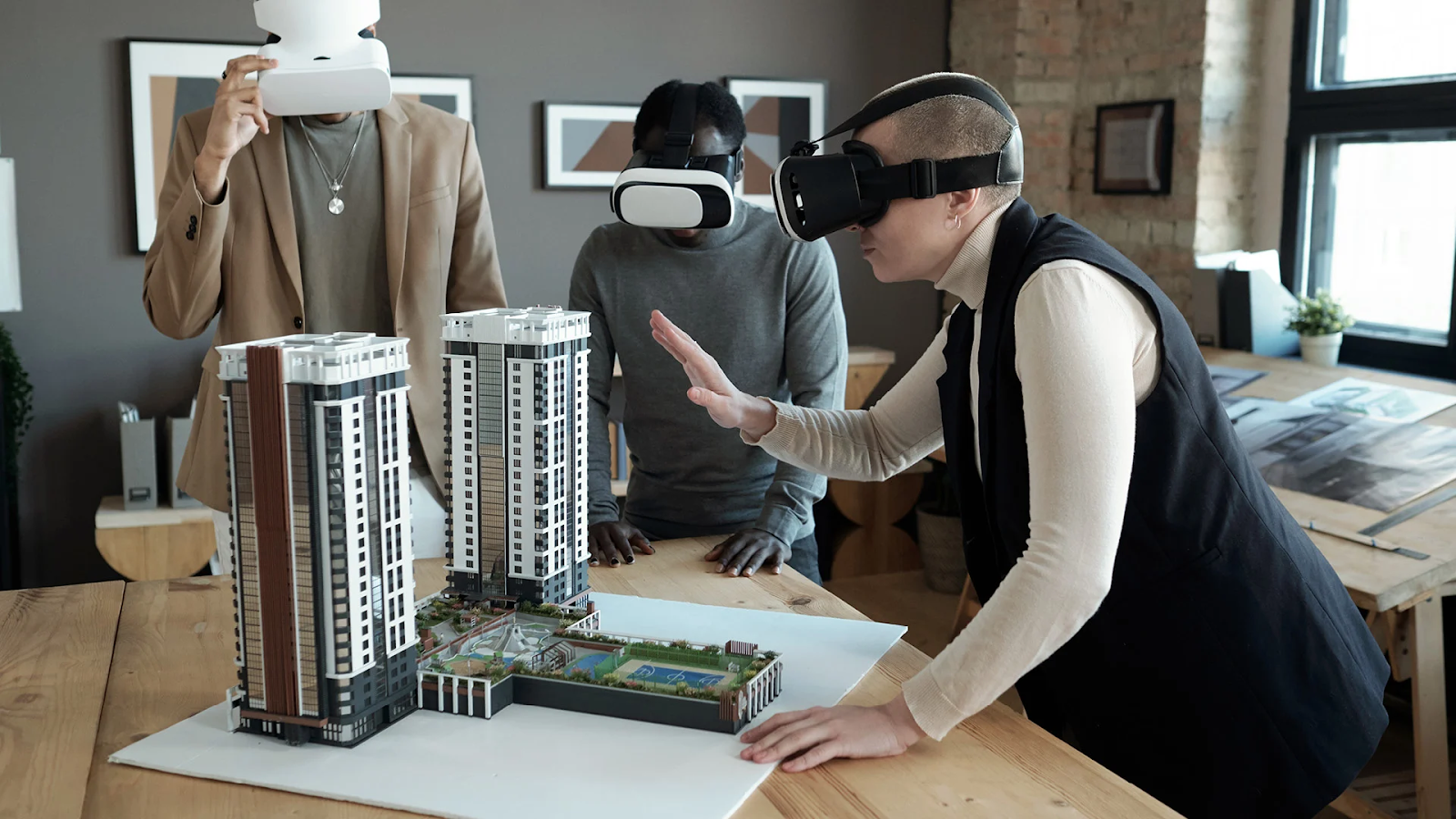
For architects and designers, Virtual Reality offers a new level of clarity in communication. Traditional drawings require interpretation, which can vary from person to person. VR removes that ambiguity by allowing clients to experience a design instead of simply viewing it.
This leads to better feedback early in the process. When clients see the space in an immersive environment, they can respond with more accuracy, reducing the need for costly revisions later. VR also helps align all stakeholders, from clients to contractors, ensuring that everyone understands the design intent clearly.
In large-scale projects, this shared understanding improves collaboration, speeds up approvals, and reduces mistakes during execution.
Practical Use Cases Across the Industry
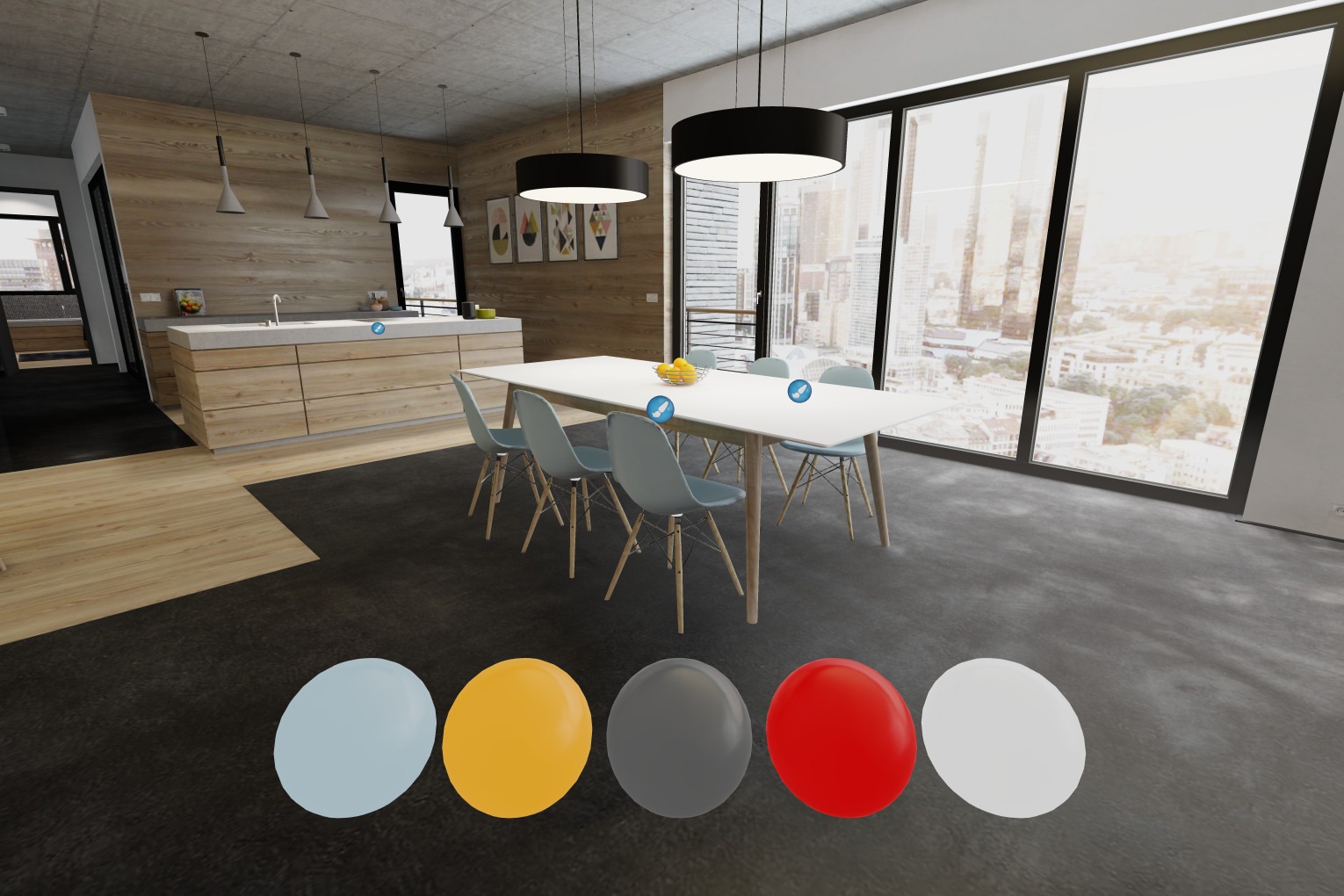
Virtual Reality is being used widely in real estate and architecture for property walkthroughs, interior previews, commercial space planning, hospitality visualisation, and even large infrastructure projects. The technology has moved beyond presentation and has become a functional business tool for planning, selling, and communication.
The result is faster decision-making, fewer site visits, stronger project confidence, and more premium customer experiences.
Final Thoughts
Virtual Reality is reshaping how real estate and architectural projects are presented, understood, and approved. By allowing people to experience spaces before they are built, VR removes uncertainty and helps decisions happen with greater speed and confidence.
When immersive technology is used thoughtfully, it improves not only how projects are showcased but also how outcomes are achieved. MagicalXR supports this transformation by building custom VR walkthrough solutions that help businesses communicate spaces clearly, engage buyers effectively, and bring projects to market with greater clarity and trust.
As expectations in real estate and architecture continue to rise, Virtual Reality is quickly becoming an essential part of how spaces are imagined, shared, and experienced.