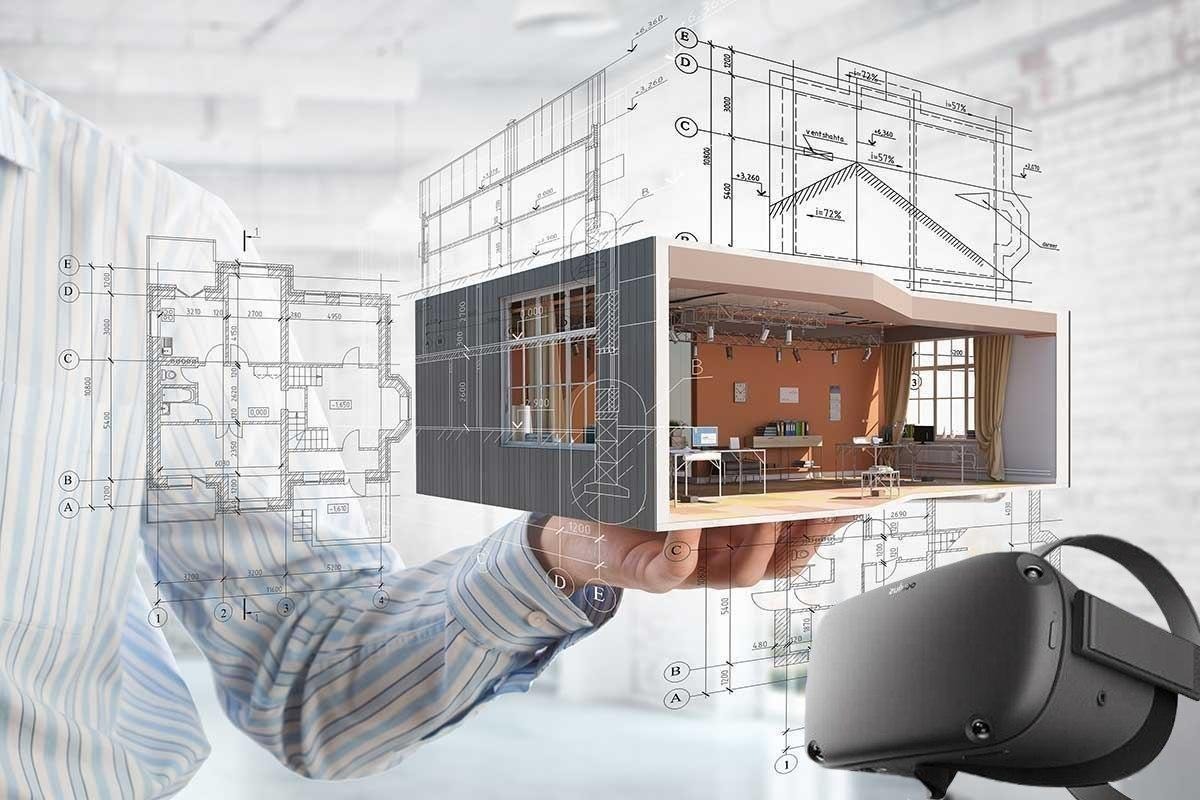
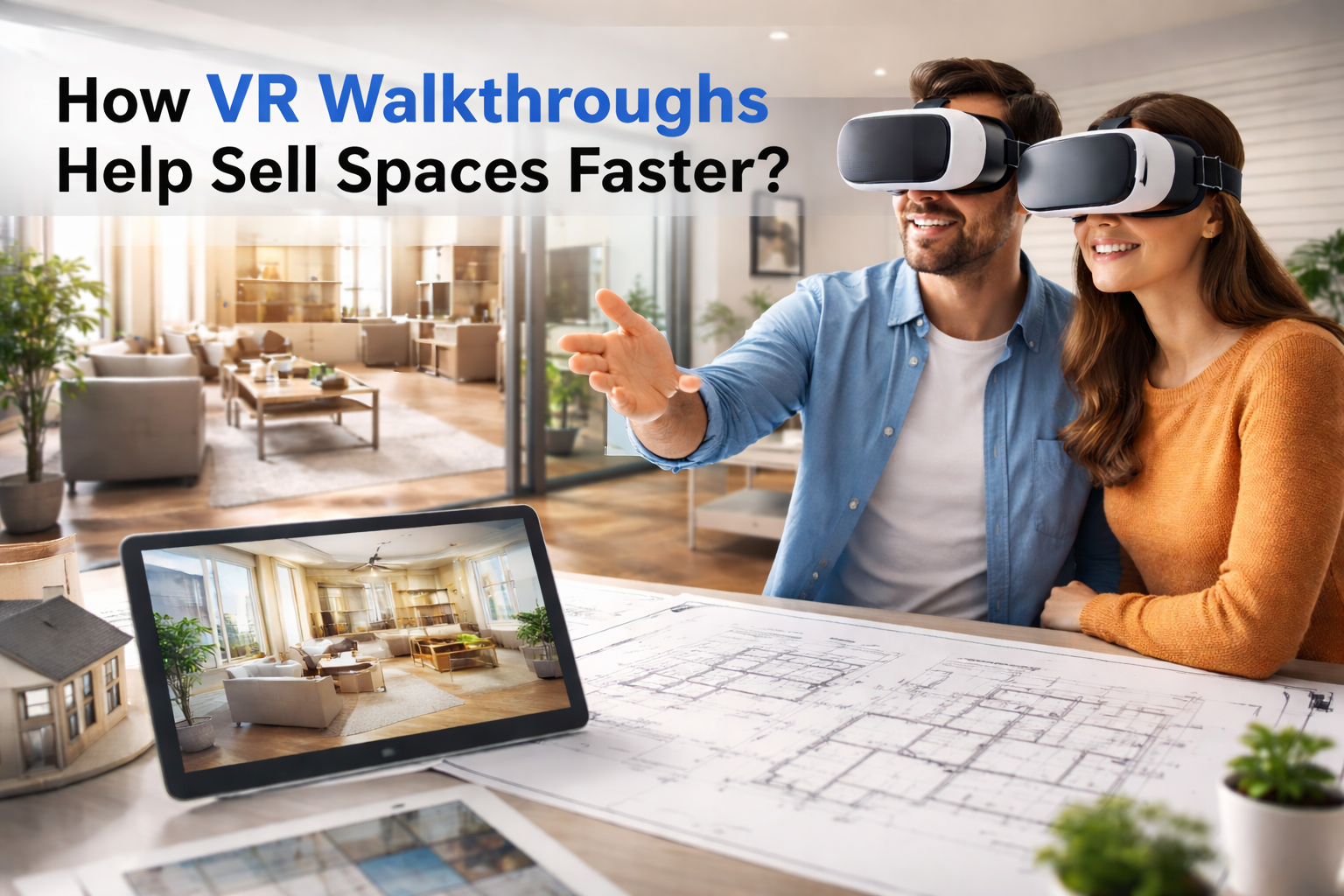
Selling a space has never been just about showing walls and floors. It’s about helping buyers understand how a place will feel once they step inside. This becomes especially difficult when the property hasn’t been built yet or when buyers can’t visit the site in person. Floor plans, photographs, and traditional videos often fall short, leaving buyers to imagine the experience on their own.
That gap between imagination and reality creates uncertainty. When buyers aren’t fully confident about what they’re considering, decisions take longer, questions increase, and sales cycles stretch out. Virtual Reality walkthroughs solve this problem by offering a far more immersive and realistic way to experience a space, long before a physical visit is possible.
Why Traditional Methods Slow Down Space Sales

For years, selling real estate and commercial spaces has relied heavily on static visuals and verbal explanations. While these tools are useful, they have clear limitations. Floor plans can be difficult to interpret, images often fail to convey scale, and videos don’t allow viewers to explore freely. For remote or international buyers, the challenge becomes even greater, as arranging multiple site visits isn’t always practical.
When buyers struggle to visualize layouts or understand how rooms connect, hesitation naturally follows. That hesitation directly affects how quickly a deal can move forward.
What Exactly Are VR Walkthroughs?
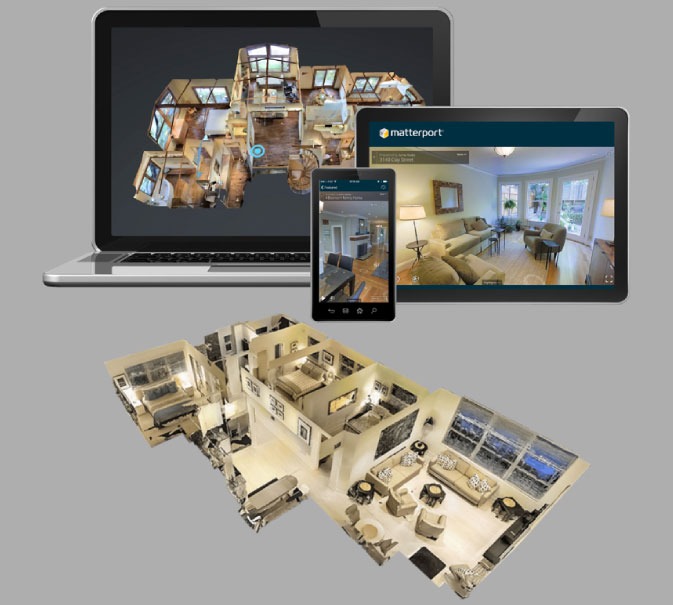
VR walkthroughs are interactive, digital experiences that allow users to move through a space as if they were physically there. Using Virtual Reality technology, buyers can explore rooms, understand proportions, and experience the flow of a property from one area to another.
Unlike photos or standard videos, VR walkthroughs provide depth, perspective, and a sense of presence. They give buyers a realistic understanding of the space, making it easier to evaluate whether it meets their needs.
How VR Walkthroughs Speed Up the Sales Process
One of the biggest advantages of VR walkthroughs is that they eliminate guesswork. When buyers can walk through a space virtually, they no longer need to imagine how large a room feels or how different areas connect. This clarity builds confidence and reduces uncertainty early in the decision-making process.
VR walkthroughs also make remote decision-making much easier. Buyers can explore properties from anywhere in the world, which is particularly valuable for international clients, NRI buyers, corporate teams, and investors comparing multiple locations. Physical distance is no longer a limitation.
Because buyers gain a clear understanding of the space upfront, sales cycles tend to shorten. Fewer doubts lead to fewer follow-up questions, and well-informed buyers are more likely to move forward quickly.
Another major benefit is the ability to sell spaces before they are completed. For under-construction or pre-launch projects, VR walkthroughs allow developers to showcase the final vision clearly and convincingly. This helps generate interest earlier and close deals sooner in the project lifecycle.
VR walkthroughs also reduce the need for unnecessary site visits. Once prospects have experienced a space virtually, only serious, high-intent buyers typically request an in-person visit. This saves time for both buyers and sales teams while improving overall efficiency.
Industries That Benefit Most from VR Walkthroughs
While real estate is one of the most common use cases, VR walkthroughs add value across multiple industries. Residential and commercial real estate developers use them to showcase properties more effectively. Hotels, resorts, and serviced apartments rely on VR experiences to highlight ambiance and layouts. Architects and designers use them to present concepts and gain approvals, while retailers and infrastructure developers use VR to plan layouts and communicate large-scale visions clearly.
Final Thoughts on Selling Spaces with VR Walkthroughs
When buyers can clearly see and understand a space, they make decisions with greater confidence. VR walkthroughs remove uncertainty by allowing people to experience properties in a realistic and immersive way, even before those spaces physically exist.
MagicalXR specializes in creating VR walkthroughs that are not just visually impressive but also practical and easy to navigate. By accurately representing layouts and spatial flow, these experiences help businesses communicate their vision clearly and connect with buyers who may not be able to visit in person.
Rather than relying solely on static visuals or repeated site visits, businesses can use VR walkthroughs as a smarter, more efficient way to present spaces, reduce decision time, and improve buyer engagement. When implemented thoughtfully, immersive experiences don’t just impress they lead to clearer understanding, faster decisions, and better outcomes. As expectations continue to evolve, solutions like those developed by MagicalXR help businesses stay relevant, transparent, and effective in how they showcase spaces.