
Brand engagement is no longer what it used to be. Today’s consumers don’t just want to see a brand, they want to interact with it. Traditional advertising methods like print ads, banners, and TV commercials still exist, but they no longer hold attention the way they once did. Audiences have grown more selective, more curious, and far more experience-driven.
This shift in consumer behaviour is exactly why Augmented Reality, commonly known as AR, is shaping the future of brand engagement. It bridges the gap between the physical and digital worlds, allowing brands to create experiences that feel personal, interactive, and memorable.
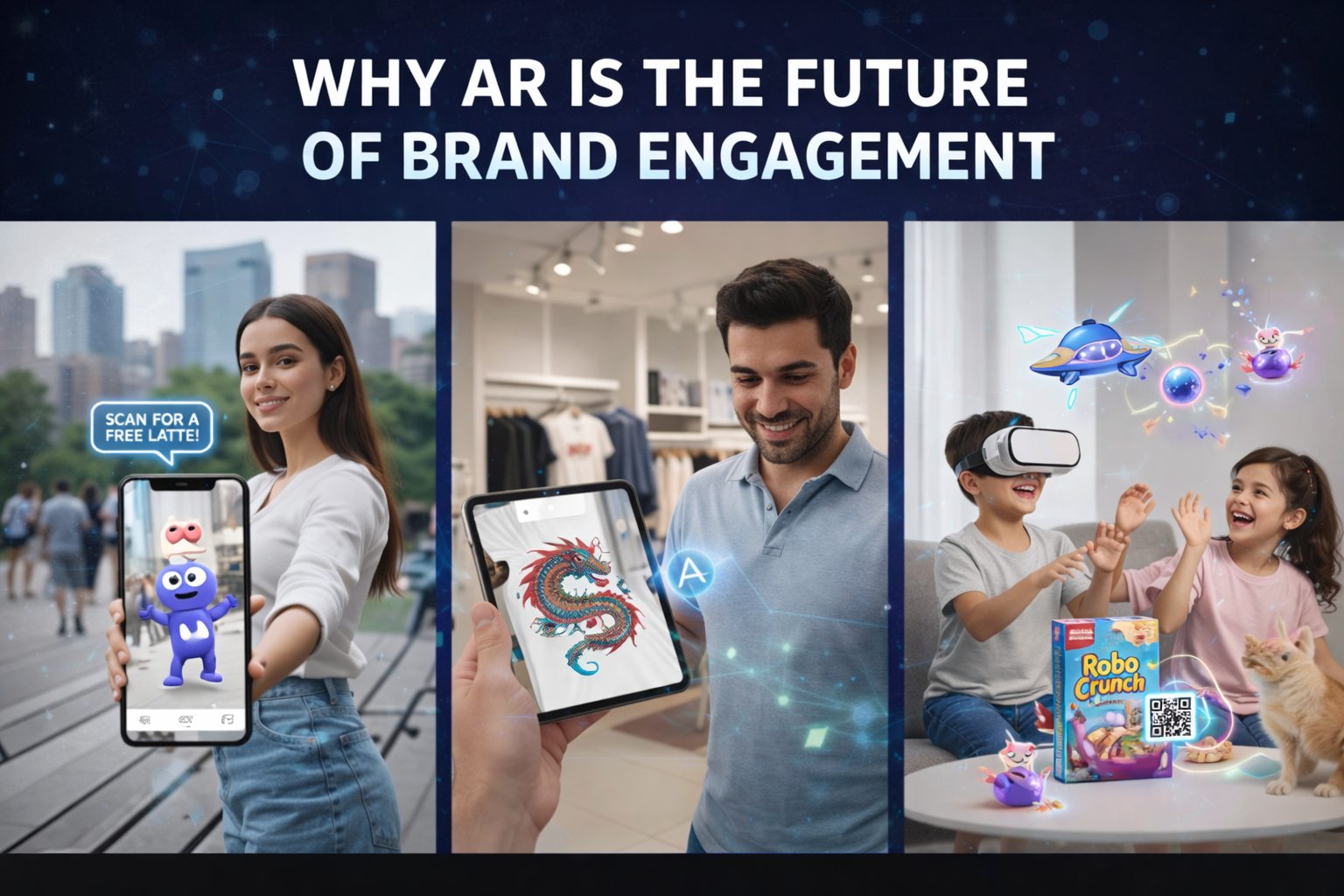
How Brand Engagement Has Changed Over Time
In the past, brand communication was mostly one-directional. Brands spoke, and customers listened. Messages were delivered through static visuals and fixed formats, leaving little room for interaction. While these methods helped build awareness, they often failed to create a lasting connection.
Modern consumers expect more. They want to explore products, understand value instantly, and engage on their own terms. They are drawn to experiences rather than advertisements and prefer personalised interactions over generic messaging. Augmented Reality meets these expectations by transforming passive viewing into active participation.
What Makes Augmented Reality So Powerful for Brands
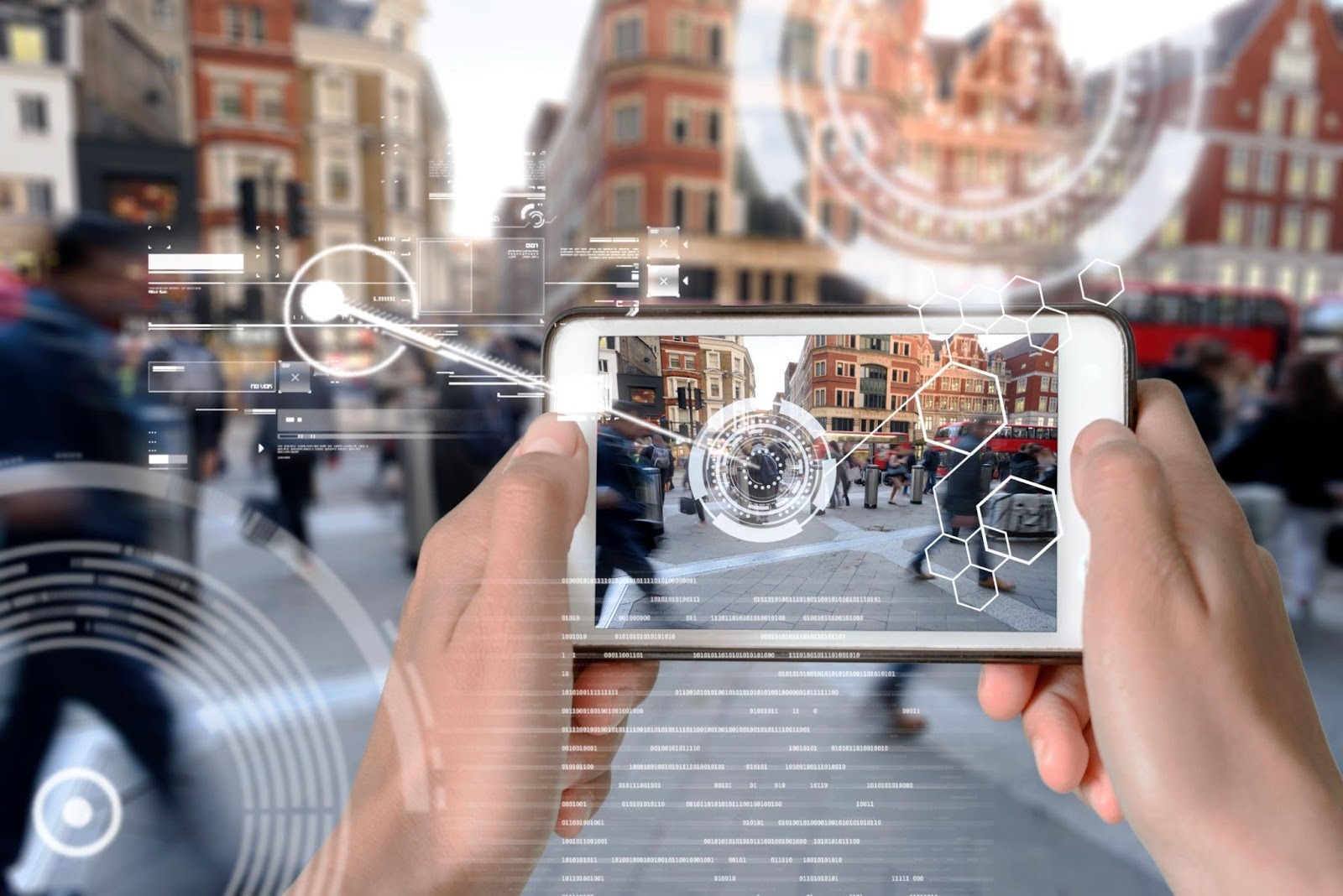
Augmented Reality overlays digital elements such as animations, videos, or 3D models onto the real world using a smartphone or tablet. Instead of imagining how a product works or looks, users can see it in action within their own environment.
Web-based AR takes this a step further by removing friction. Users don’t need to download an app or go through a long setup process. A simple scan or tap opens an immersive experience instantly, making engagement effortless and accessible.
By blending digital content with physical touchpoints, AR turns everyday brand interactions into engaging experiences that feel intuitive and exciting.
Why AR Creates Deeper and More Memorable Engagement
AR captures attention almost immediately because it breaks expectations. When a product package, poster, or brochure suddenly comes to life, curiosity follows naturally. This sense of discovery encourages users to spend more time interacting with the brand.
Unlike traditional content, AR invites users to participate. They can rotate products, explore features, watch demonstrations, or unlock stories. This level of involvement strengthens emotional connection and makes the experience more enjoyable.
Because AR experiences are interactive, they are also easier to remember. Customers are far more likely to recall a brand that offered something unique and engaging than one that relied solely on static visuals. Over time, this improved recall contributes to stronger brand recognition and loyalty.
AR also builds trust by improving transparency. When customers can clearly see how a product works or what makes it different, they feel more confident in their decisions. This clarity reduces hesitation and strengthens credibility.
Where Brands Are Using AR Successfully
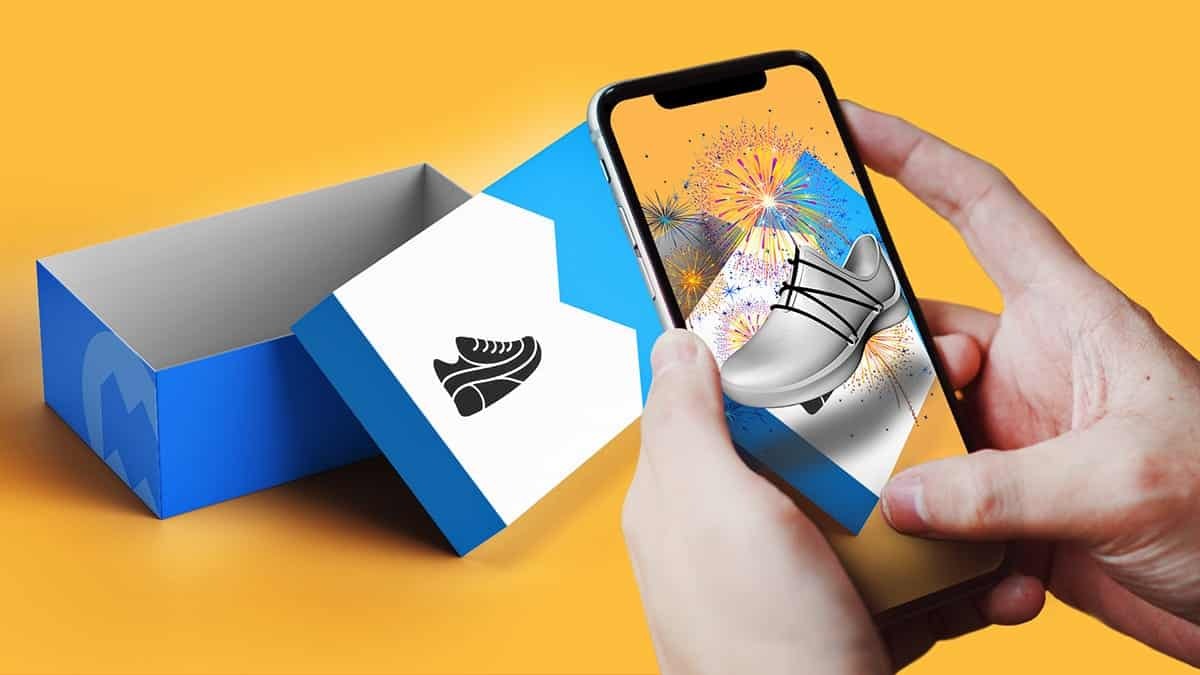
Across industries, brands are using AR to turn physical touchpoints into digital experiences. Product packaging and print materials become gateways to videos, tutorials, and exclusive content. Marketing campaigns use AR to create interactive launches, seasonal promotions, and shareable moments that drive organic reach.
In retail and FMCG, AR helps customers understand products better through demonstrations and storytelling. At events and brand activations, AR adds a digital layer that enhances engagement and leaves a lasting impression long after the event ends.
Why Web-Based AR Is a Game Changer
One of the biggest advantages of web-based AR is accessibility. With no app downloads required, engagement becomes instant. This simplicity leads to higher participation rates and makes AR campaigns easier to scale and update. For brands looking to reach wider audiences quickly, web-based AR offers a practical and cost-effective solution.
Measurable Results That Drive Smarter Decisions
Unlike traditional advertising, AR provides measurable insights. Brands can track how many users interact with an experience, how long they engage, and which elements perform best. These insights help refine future campaigns, improve messaging, and maximise return on investment.
AR as a Long-Term Brand Engagement Strategy
Augmented Reality is not a short-term trend or a novelty. It is evolving into a long-term engagement channel that adapts alongside changing consumer expectations. As audiences continue to value interactivity and meaningful experiences, AR will play a central role in how brands communicate and connect.
Final Thoughts
Brand engagement today is no longer about being seen, it’s about being experienced. Augmented Reality enables brands to turn everyday interactions into memorable moments that customers can explore, understand, and trust.
MagicalXR helps brands bring these experiences to life by creating custom AR solutions that are easy to access, relevant to the audience, and aligned with real business goals. From interactive packaging and print media to immersive marketing campaigns, AR allows brands to communicate more clearly and connect more deeply with their customers.
As consumer expectations continue to evolve, brands that embrace immersive technologies will stay ahead of the curve. With the right AR strategy, engagement becomes more than a single interaction, it becomes a lasting impression.