
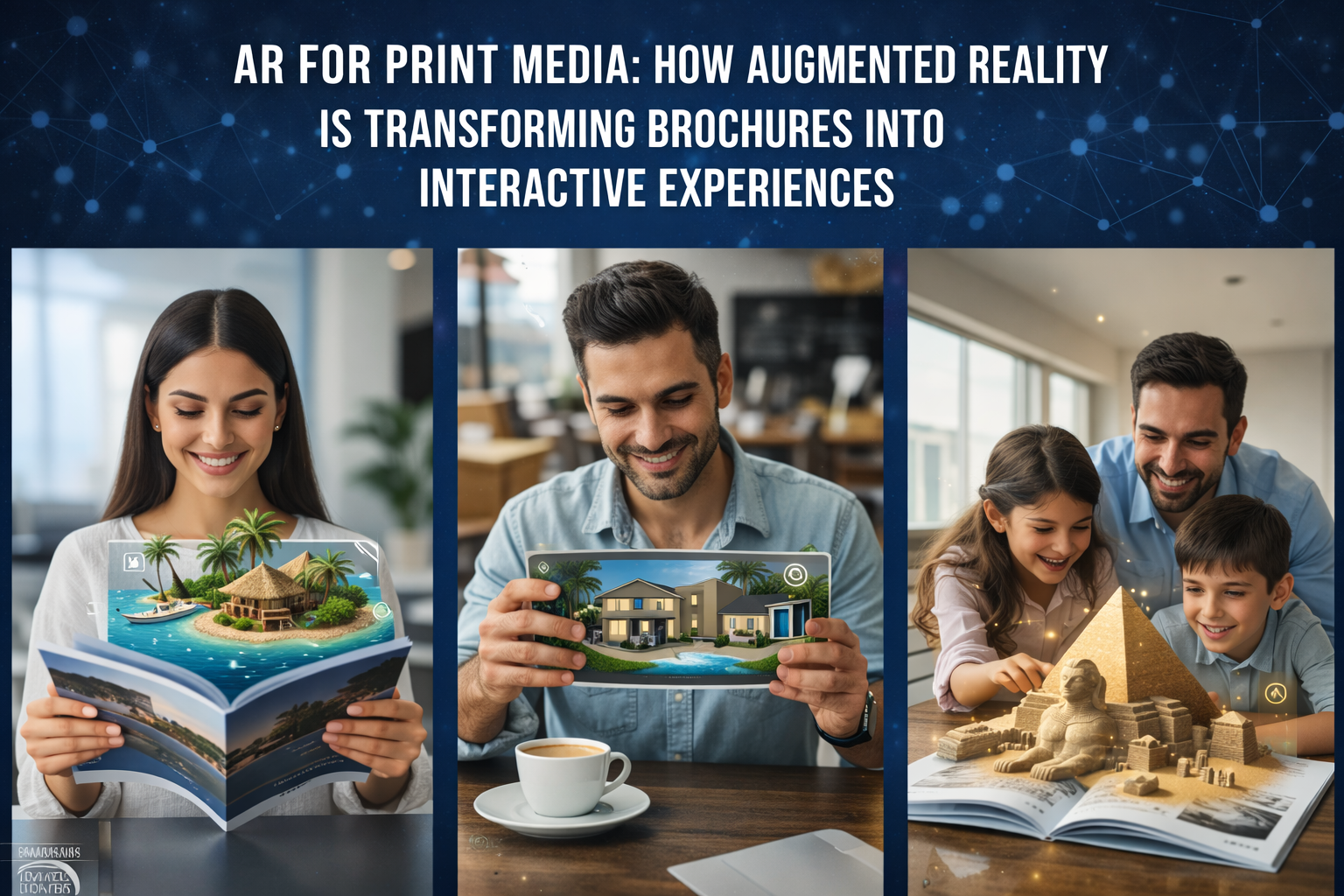
Printed brochures, flyers, and catalogues have long been a trusted part of marketing. They’re tangible, easy to distribute, and still widely used across industries such as real estate, education, retail, healthcare, and events. Despite the rise of digital marketing, print continues to hold value because it feels personal and credible.
However, traditional print media comes with a major limitation. Once something is printed, it becomes static. The content can’t evolve, engagement often lasts only a few seconds, and any update means reprinting materials from scratch. In a world where audiences expect dynamic and interactive experiences, this is where print often falls short.
Augmented Reality for print media is changing that reality by turning ordinary brochures into interactive, digital experiences.
Why Print Media Needs to Evolve
Most brochures try to communicate a lot within a very limited space. Brands attempt to squeeze in product details, images, features, contact information, and brand messaging all at once. This often leads to cluttered designs and information overload, while still failing to tell the full story.
At the same time, modern consumers are used to engaging with videos, animations, and interactive content on their phones. When print fails to match these expectations, attention drops quickly. AR bridges this gap by extending printed materials beyond paper and into the digital world, without replacing print altogether.
What Is AR for Print Media?
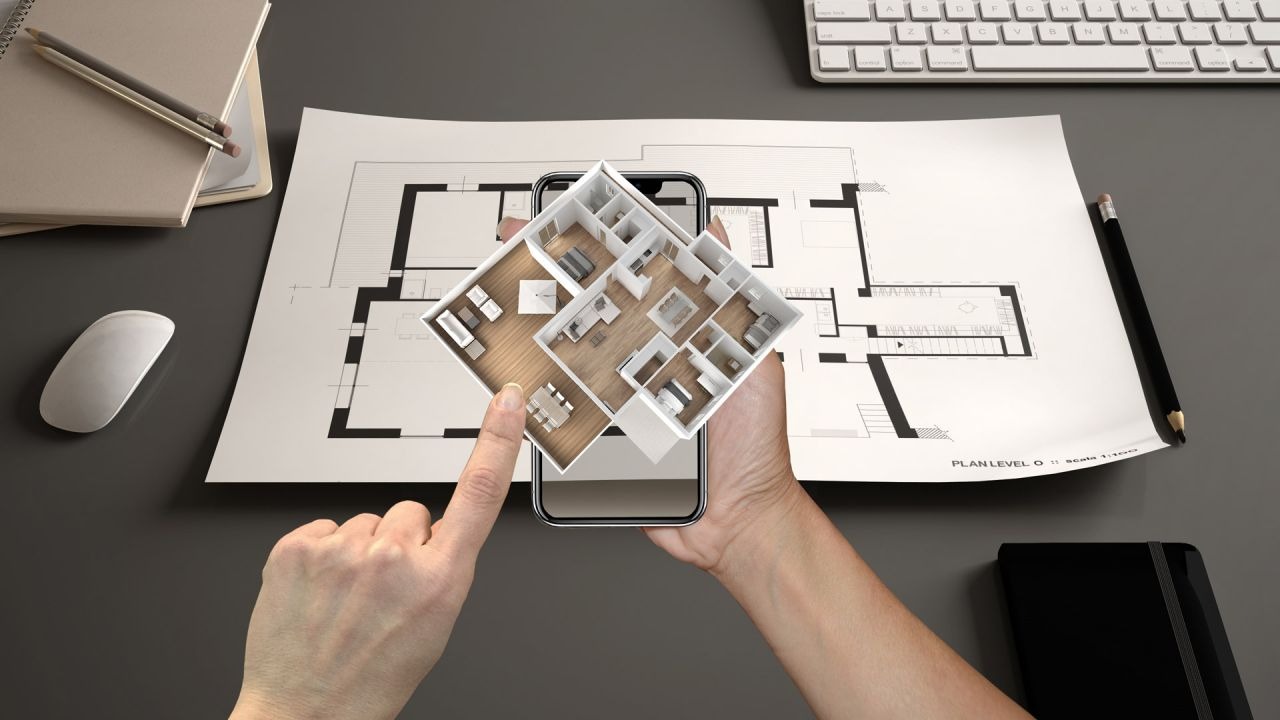
AR for print media allows users to scan a brochure, flyer, poster, or catalogue using their smartphone camera. Once scanned, digital content appears on the screen, layered over the physical print. This content can take many forms, from videos and animations to 3D product models, virtual walkthroughs, and interactive buttons that lead to websites or contact forms.
With Web-based AR, the process is even simpler. Users don’t need to download an app. They scan a QR code or image trigger, and the experience opens instantly in their mobile browser. This ease of access makes AR practical and effective for mass audiences.
How Augmented Reality Brings Brochures to Life
Instead of asking people to imagine how a product works or what a space looks like, AR allows them to see it. A static image can transform into a video demonstration, an animated explanation, or a 3D model that users can explore from different angles. This visual storytelling makes information easier to understand and far more memorable.
AR also removes the space limitations of print. A brochure no longer needs to carry every detail. It can remain clean and well-designed, while AR delivers deeper information digitally. This could include extended specifications, customer testimonials, case studies, or step-by-step explanations, all without overcrowding the printed material.
One of the most powerful advantages of AR-enabled print is flexibility. While the brochure itself stays the same, the digital content can be updated at any time. Brands can change offers, refresh videos, or run time-based campaigns without reprinting thousands of copies. This makes print marketing far more adaptable and cost-effective.
Real-World Applications of AR in Print Media
Across industries, businesses are already using AR to enhance printed materials. In real estate and architecture, brochures can trigger virtual property walkthroughs, floor plan visualisations, or project overview videos that help buyers make decisions faster. In retail and FMCG, AR brings product packaging and catalogues to life through storytelling, usage demonstrations, and promotional experiences.
Educational institutions use AR-enabled brochures to showcase courses, campuses, and learning environments in a more engaging way. Event marketers use AR to share agendas, speaker introductions, and instant registration links, turning printed invitations into interactive touchpoints.
The Business Impact of AR-Enabled Print
Interactive brochures naturally hold attention longer than traditional print. When users actively engage with content, brand recall improves significantly. AR also opens the door to measurable insights. Businesses can track how many times a brochure is scanned, how users interact with content, and which experiences perform best something traditional print could never offer.
In addition, AR experiences can include direct actions such as enquiry forms, call buttons, downloads, or website links. This turns print media into a lead generation tool rather than just an informational asset.
Why Web-Based AR Is Ideal for Print Media
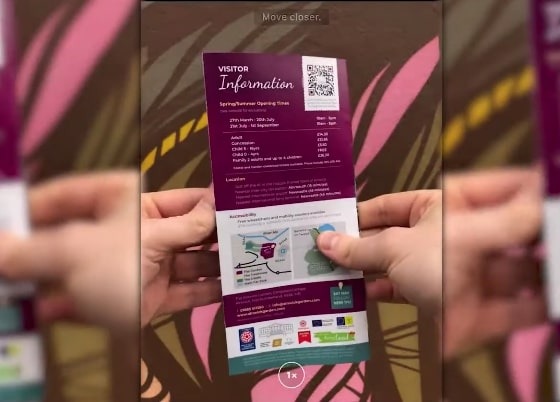
Web-based AR works especially well for print because it removes friction from the user journey. There’s no app to install, no storage concerns, and no learning curve. Users simply scan and engage. This leads to higher participation rates and better overall engagement.
For businesses, Web AR also means faster deployment, easier updates, and scalable campaigns that can be adjusted in real time. It combines the trust of print with the flexibility of digital.
MagicalXR’s Approach to AR for Print Media
At MagicalXR, AR for print media is designed with purpose. Every experience is built around the brand’s goals, audience, and message. Rather than using generic templates, the focus is on crafting custom Web-based AR experiences that enhance storytelling and deliver measurable results.
From QR-based and image-triggered interactions to immersive visual content, the aim is always to create AR experiences that add real value rather than novelty.
Turning Print into a Modern Engagement Channel
Print media doesn’t have to be limited to ink on paper. With Augmented Reality, brochures and flyers become interactive gateways to richer, more engaging brand experiences. They inform, engage, and convert while remaining cost-effective and flexible.
For businesses looking to make their print materials more impactful and future-ready, AR offers a practical and powerful solution. With the right strategy and execution, print media can evolve into one of the most engaging tools in a modern marketing mix and MagicalXR can help make that transformation seamless and effective.